

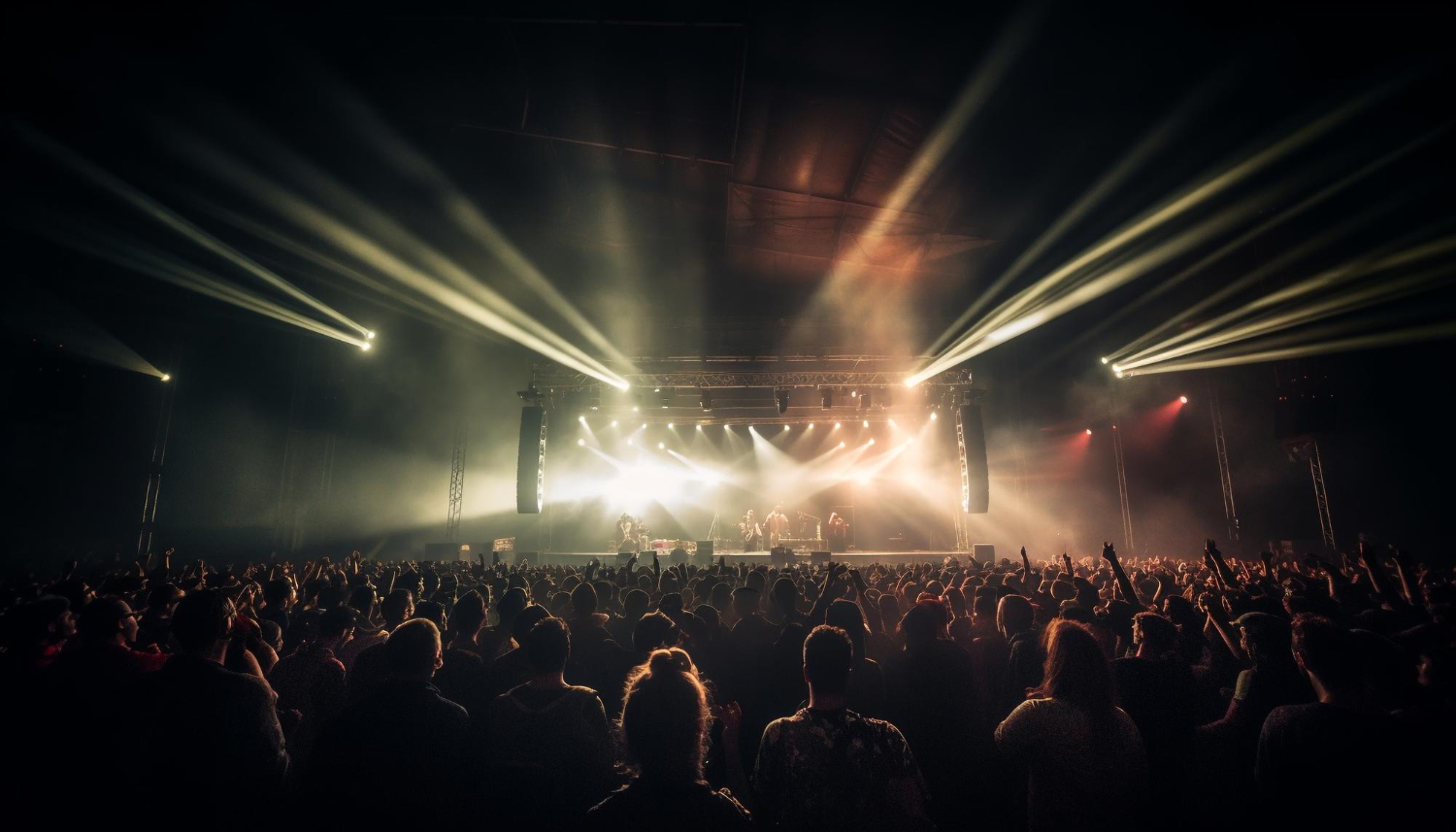
The strongest festival sponsorship is rarely the property with the largest logo or the loudest stage. It is the one where audience, cultural context and brand objective fit naturally together.
Start with the marketing objective
Before comparing festivals, define the job the partnership must do. A brand entering a new market may prioritise awareness and cultural credibility. A consumer product may need trial and sampling. A premium service may value hospitality, stakeholder access and high-quality content more than raw footfall.
A focused objective makes inventory easier to evaluate and prevents teams from buying a collection of disconnected benefits.
A useful question
If the logo disappeared, would the experience still make sense for the audience and the brand?
Evaluate audience quality, not only scale
Headline attendance is useful, but it does not explain who participates, how long they stay or what they care about. Look at audience origin, age and life stage, purchasing mindset, community behaviour, dwell time and digital participation.
A smaller festival with concentrated relevance can create more value than a larger property with weak alignment.
Understand the cultural role of the festival
Festivals carry meaning. Some are discovery platforms, some celebrate heritage, some convene creative industries and others are built around youth culture. Brands should contribute to that role rather than interrupt it.
Look beyond supplied inventory
The best partnerships are often co-created. Ask whether the organiser can support an owned experience, useful audience service, creator collaboration, content series, community initiative or hospitality programme.
Agree on measurement before launch
Build a scorecard around the original objective. Useful measures may include qualified reach, participation, dwell time, product trials, opt-ins, content completion, earned media, sentiment or stakeholder feedback.
The NowWhat view
Choose the festival where your brand can play a credible role, create something useful and produce evidence of impact. Fit first, activation second and inventory third is usually the more durable order.
